TL;DR
TL;DR
-
Muse has launched the new Deep Sleep Boost (DSB) feature which is a form of Deep Sleep Stimulation (DSS)
-
DSB helps you sustain longer deep sleep by delivering EEG-timed sound cues (like pink noise) during deep sleep stages.
-
DSB is available for all Muse S Athena users at no added cost
-
Muse will be launching more features for the AI Sleep Platform – creating a full end-to-end sleep cycle solution for users
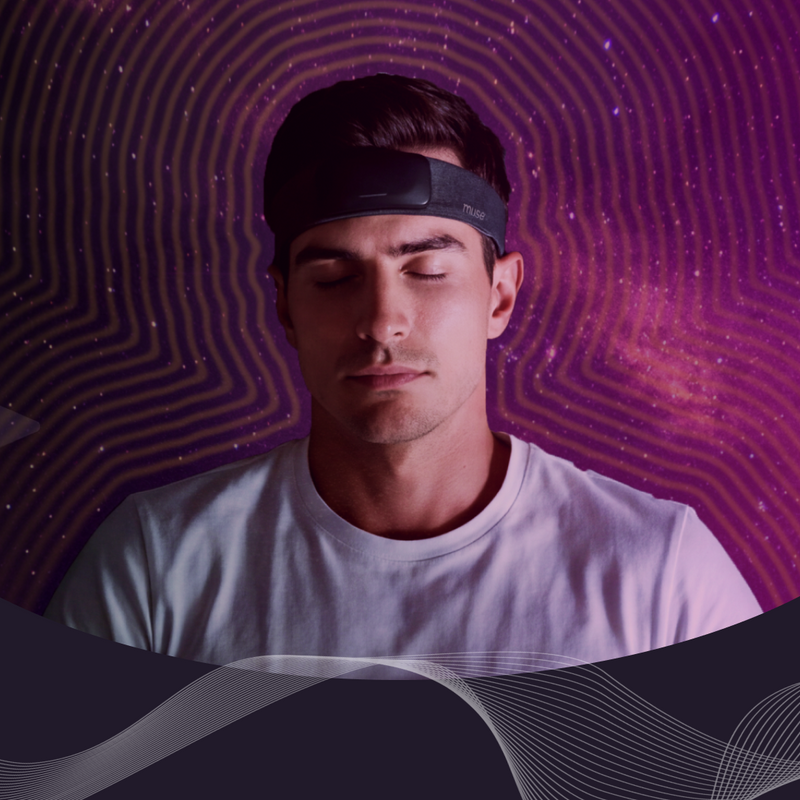
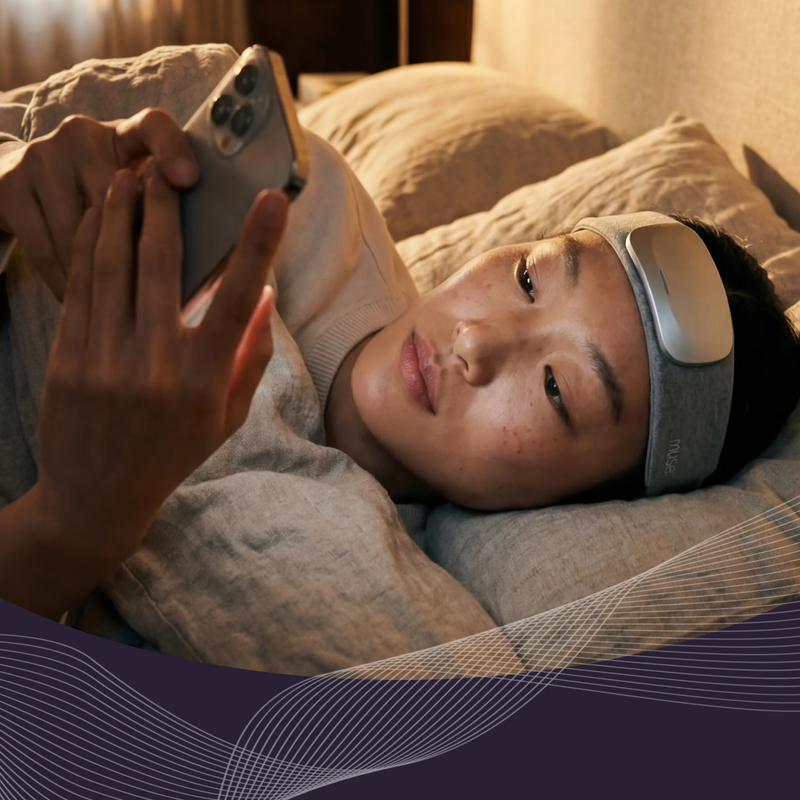
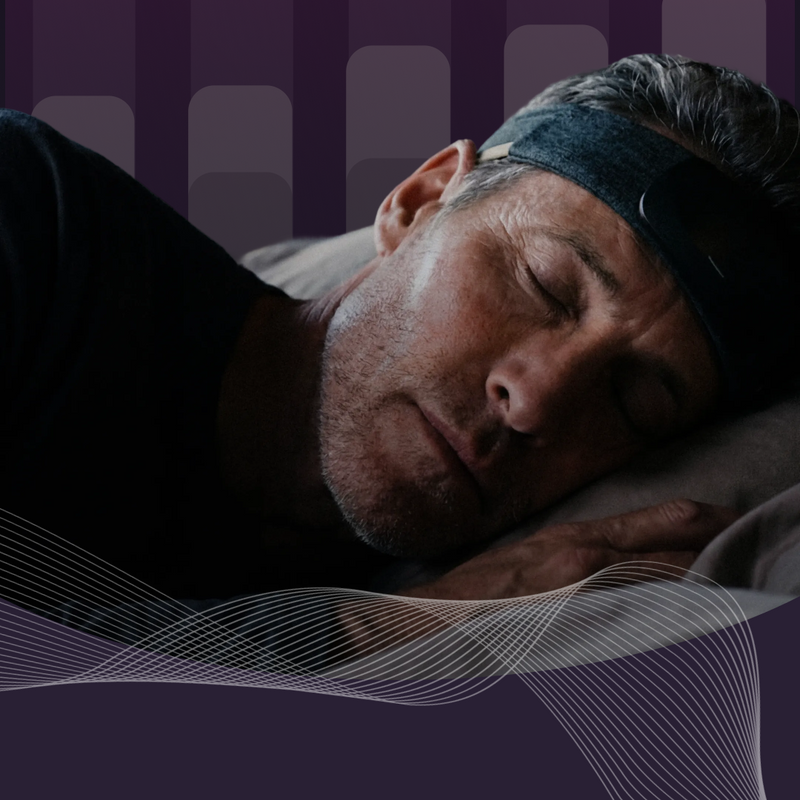
Following the launch of our AI Coach: Enso, Muse is further extending the integration of AI into the night. Introducing the Deep Sleep Boost (DSB) feature, the newest addition to our AI sleep platform, turning Muse S Athena into an active sleep therapy tool, guiding your brain toward deeper, more restorative slow-wave sleep (N3) instead of simply reporting how well you slept.
In other words, Muse is bringing the type of closed-loop acoustic stimulation previously seen in sleep labs, right to your home.
What is Deep Sleep Stimulation?
Deep Sleep Stimulation uses EEG-guided closed-loop neurostimulation to support the most restorative phase of sleep: slow-wave sleep, or the N3 stage. Unlike passive sound machines, DSS precisely “listens” to your brain activity in real time and delivers whisper-quiet, AI-timed pink noise cues synchronized to your natural slow-wave rhythms.
In short, traditional trackers are like thermostats that tell you how cold or warm the room was overnight. They show you your sleep stages, but they do not intervene. On the other hand, DSS is more like a smart climate system for your brain. It monitors your sleep stages and actively adapts to your real-time sleep.
Learn how we developed Deep Sleep Stimulation >
Why slow-wave trains matter (and why minutes aren’t enough)
When people think about deep sleep, they often focus on how many minutes they spend in it. But sleep science shows that how deep sleep is organized matters just as much – if not more – than how long it lasts.
Deep sleep becomes truly restorative when slow waves occur in continuous, rhythmic sequences, often referred to as slow-wave trains. These trains represent sustained periods where the brain remains in a stable slow-wave state, rather than briefly dipping in and out of deep sleep.
Fragmented deep sleep – short bursts interrupted by lighter stages – may still “count” as deep sleep minutes, but it does not provide the same level of recovery.
The “flushing” perspective: why continuity matters
During sustained slow-wave sleep, the brain enters a state that supports its nightly maintenance processes. Research increasingly links continuous slow-wave activity to the brain’s ability to move metabolic byproducts through its clearance pathways during sleep – a process often described as the brain’s nightly “clean-up.”
This doesn’t happen efficiently during brief or interrupted slow-wave episodes. Just as rinsing something quickly under a tap is different from letting water flow steadily, the brain benefits most when slow waves are maintained long enough and consistently enough to support these restorative processes.
In other words:
Deep sleep works best when it’s continuous, not fragmented.

How does Deep Sleep Stimulation work?
Unlike simple sound machines that play noise all night, Deep Sleep Stimulation responds works upon EEG and AI timed cues. It “listens before it speaks.”
-
Real-time detection: Muse’s clinical-grade EEG sensors continuously monitor your brain as you sleep and detect when you enter slow-wave sleep.
-
EEG & AI timed audio cues: When slow-wave activity is detected, DSS delivers subtle, phase-locked pink noise pulses that reinforce and amplify the brain’s natural slow oscillations.
-
Reinforcement and stabilization: These cues help guide your brain towards deeper, more stable slow-wave patterns, extending this key stage of recovery with minimal disturbance.
The benefits
Unlock the full potential of your rest:
-
Deeper, more restorative sleep: Research shows precisely timed pink-noise cues can boost slow-wave sleep power, promoting faster brain recovery and longer deep sleep phases.
-
Enhanced cognitive function: Slow-wave sleep is critical for memory consolidation and clearing brain toxins. DSB supports improved next-day clarity, alertness, and long-term brain health.
-
Safe and personalized: With a Sleep-Safe Design that includes an arousal watchdog, DSB pauses audio cues if signs of disturbance are detected, preserving sleep continuity. Users can customize intensity and timing, with premium users able to layer DSB with other sound tools.
What we observed in beta testing
Deep Sleep Boost was designed specifically to support this continuity.
In beta testing, Deep Sleep Boost delivered measurable improvements in the structure of deep sleep itself – an aspect of sleep quality that matters more than simply increasing the total minutes spent in deep sleep.
 Here’s what we observed:
-
~24% longer slow-wave trains, meaning users stayed in continuous deep sleep rhythms for longer stretches
-
~42% more slow-wave trains per minute, indicating more frequent opportunities for sustained deep sleep to occur
-
~76% more slow waves occurring within organized trains, reflecting deeper, more continuous slow-wave activity rather than isolated or fragmented deep sleep
Together, these results show that Deep Sleep Boost doesn’t just help users enter deep sleep more often – it helps the brain stay there, reinforcing the conditions that support nightly recovery and maintenance.

This chart compares nights with Deep Sleep Boost turned off (sham) versus on (active). When Deep Sleep Boost was active, users spent longer stretches in deep sleep and entered those deep sleep rhythms more often. Together, this shows that Deep Sleep Boost helps make deep sleep more continuous and organized, an important difference from simply logging more minutes of deep sleep.
Why this is different from “more deep sleep minutes”
Two nights can show the same amount of deep sleep on a tracker – and still feel very different the next day.
That’s because minutes alone don’t capture structure.
Deep Sleep Boost focuses on:
-
Reducing fragmentation
-
Extending sustained slow-wave rhythms
-
Improving how deep sleep is organized across the night
This is something that can only be measured – and supported – by directly monitoring brain activity with EEG, rather than estimating sleep stages from movement or heart rate alone.
How does Deep Sleep Boost work within the enhanced AI Sleep Platform
Deep Sleep Boost works alongside Muse’s existing Digital Sleeping Pills™ and the upcoming Smart Wakeup, which wakes you during lighter sleep phases, to create a full end-to-end sleep cycle solution.
Sleep Assist: helps you fall asleep naturally
-
Delta wave neurofeedback to keep you asleep
-
Real-time EEG-guided sleep journeys
-
55% users fall asleep faster
-
Improves sleep quality by 20%
Smart Wakeup (Coming April 2026): helps you wake better and start the day sharper
-
EEG-Informed optimum wake time
-
Gentle Wake Sequence
-
Reduced Grogginess
Together, these features form a full end-to-end sleep cycle solution:
Fall asleep faster → Sleep deeper → Wake clearer

Why does deep sleep matter?
Deep slow-wave sleep is where the brain does some of its most important maintenance.
-
Memory consolidation: Your brain replays and stabilizes important memories.
-
Metabolic & immune support: Deep sleep is tied to immune function and metabolic regulation.
-
Brain clean-up: Slow waves are linked to the “cleaning” of metabolic waste in the brain, which is increasingly studied in the context of long-term brain health.
Many adults get enough hours in bed but still feel unrefreshed because they do not get enough high-quality deep sleep. By specifically targeting this stage, Deep Sleep Stimulation aims to upgrade the “quality per minute” of your sleep.

Try Deep Sleep Boost
Instead of only asking, “How did I sleep?” you can start asking, “How deeply can I train my brain to rest?”. Here’s how you can try it on your own.
-
Availability: Included with every Muse S Athena. No extra purchase or subscription.
-
Access: Update your Muse app to version 51.0 and start a sleep session on the sleep tab. Enable Deep Sleep Stimulation and sleep away.
How we developed Deep Sleep Boost
Muse co-founder Chris, CMO Nadia and senior research scientist Maurice explains the science behind Deep Sleep Stimulation - the technology and the challenges.
Update your Muse app to Version 51.0, or get your own Muse S Athena.