Key takeaways
-
Sleep apnea is a common but often undiagnosed condition which poses serious health risks if untreated.
-
Diagnosis is challenging due to subtle symptoms and the costly, inconvenient nature of clinical sleep studies.
-
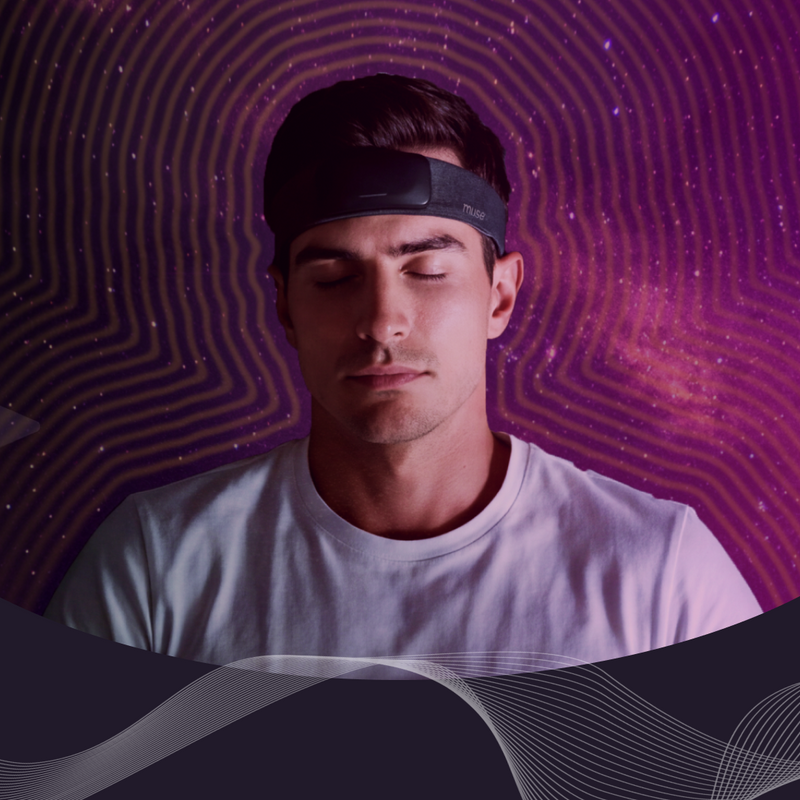
Muse recognizes this gap and is conducting a study in collaboration with Carleton University and the Royal Ottawa Hospital Sleep Lab to validate the Muse S Athena headband as an accessible, at-home tool for detecting sleep apnea.
-
We aim to enable earlier diagnosis and intervention, which may help improve health outcomes for millions worldwide.
Sleep is vital for your body and mind, but for some, it can turn dangerous. Nearly a billion adults worldwide live with sleep apnea, often without knowing it. This condition causes repeated pauses in breathing during the night, and in severe untreated cases, the risk of fatality is up to four times higher. Here’s what to know:
What is sleep apnea and is it dangerous?
Sleep apnea involves repeated pauses in breathing during sleep, frequently due to obstruction of the upper airway (known as obstructive sleep apnea, or OSA). These pauses, called apneas, can deprive the body and brain of oxygen, leading to fragmented sleep and increased cardiac stress. Untreated sleep apnea is associated with an elevated risk of high blood pressure, heart attack, stroke, type 2 diabetes, and cognitive problems, including a heightened risk for dementia. In severe cases, it can even be life-threatening.
What are OSA (Obstructive Sleep Apnea) and CSA (Central Sleep Apnea)?
Obstructive Sleep Apnea (OSA) is the most prevalent type of sleep apnea. It occurs when the muscles in the back of the throat relax too much, causing a blockage in the airway. These events can occur dozens or even hundreds of times a night, disrupting restful sleep and lowering blood oxygen saturation. Individuals who are obese, diabetic, smoke, or of older age, have higher risks of having OSA.
Unlike OSA, Central Sleep Apnea (CSA) occurs due to the brain's failure to send proper signals to the muscles that control breathing. Individuals with medical conditions that affect brainstem function, such as heart failure, stroke, or neurological disorders are of higher risks of having CSA.

Common sleep apnea symptoms
Recognizing sleep apnea isn’t always straightforward, as symptoms can be subtle or mistaken for other conditions. Classic signs include:
-
Loud or chronic snoring (note that not everyone who snores has sleep apnea, and vice versa)
-
Gasping, choking, or snorting during sleep
-
Excessive daytime sleepiness or fatigue
-
Morning headaches
-
Difficulty concentrating, memory lapses, irritability
-
Restless sleep or frequent night-time waking
Do I have sleep apnea? And what about non-snorers?
If experiencing unexplained fatigue, poor concentration, or breathing irregularities during sleep, even without loud snoring, sleep apnea could still be present. Not all patients snore, particularly women and those with milder forms of the disorder. To clinically diagnose sleep apnea, you can visit a sleep disorder center. Sleep specialists will arrange home sleep tests or nocturnal polysomnography (PSG) for further evaluation.
On the other hand, diagnosing sleep apnea early presents significant challenges because its symptoms are frequently subtle, often mistaken for normal fatigue, or simply overlooked by individuals. The gold standard for diagnosis, PSG, is both costly and time-consuming, making routine or preventive screening impractical for most people. Consequently, there is a pressing need to develop more efficient and accessible at-home screening methods, which would facilitate earlier identification and intervention, ultimately leading to improved long-term health.

New study on identifying sleep apnea with Muse S Athena
“We believe Sleep is foundational to human health, and that sleep health should be accessible to everyone.” - Dr. Rébecca Robillard
As a leader in brain health innovation, Muse recognizes that quality sleep is essential to well-being and that sleep apnea poses serious risks. Committed to advancing accessible health technology, Muse aims to deliver reliable at-home, multi-sensor sleep assessment tools that help identify patterns associated with obstructive and central sleep apnea and support earlier screening and research.
Muse (Interaxon) is conducting a collaborative research study with Carleton University’s SAM3 Lab (Sensors & Analytics for Monitoring Mobility & Memory), with support from the Ontario Centre of Innovation (OCI), to evaluate the capabilities of the Muse S Athena headband, including EEG, PPG, accelerometry, SpO₂, and fNIRS, for screening and monitoring obstructive and central sleep apnea.
SAM3 Lab (Carleton University): “Our team specializes in real-world sleep analytics—from bed occupancy to respiration and apnea—so this collaboration is a natural fit to build trustworthy pipelines clinicians can rely on.”
The study also includes contributing support from The Royal (University of Ottawa Institute of Mental Health Research), providing clinical expertise through Dr. Rébecca Robillard, Co-Chair of the Canadian Sleep Research Consortium and Director of Clinical Sleep Research.
This project will validate Muse S Athena’s:
1. sensor function, and
2. performance to detect apnea events from integrated biosignals against data collected by polysomnography (PSG).
If validated, this approach could help empower millions with earlier identification of risk and signs of sleep apnea, supporting timely interventions that reduce serious health risks such as cardiovascular disease and cognitive decline.
Why does this matter?
Sleep apnea remains widespread and often undiagnosed. While polysomnography (PSG) is the clinical gold standard, it’s costly and typically conducted outside a person’s natural sleep environment, making it harder to fall asleep and limiting data to a single night.
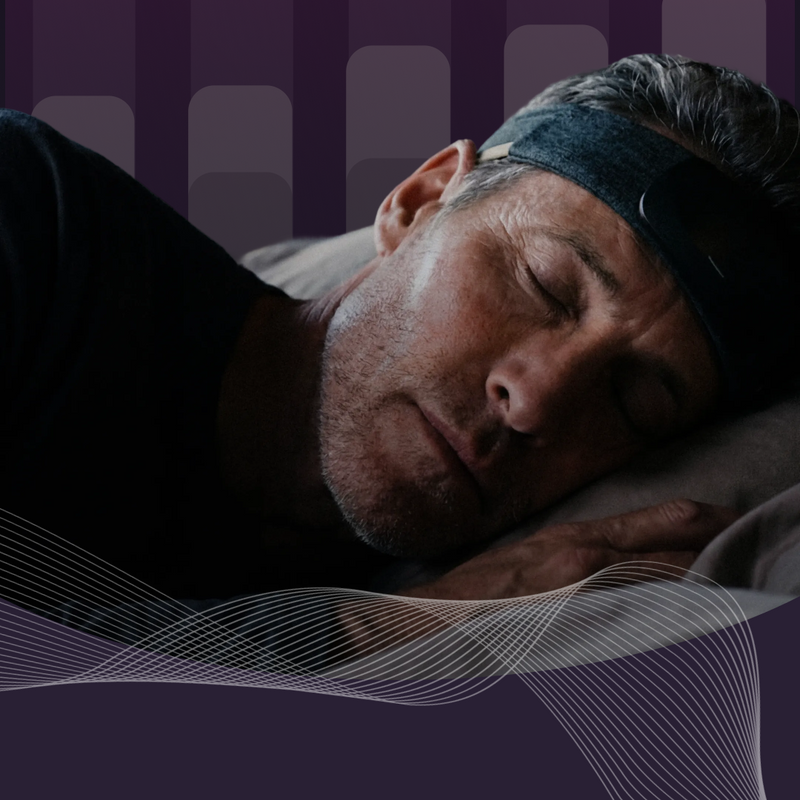
Muse offers an at-home alternative, allowing researchers to gather multi-night, real-world sleep data that better reflects natural patterns and supports deeper insights into detection and intervention.

Can sleep apnea be cured?
While sleep apnea often requires ongoing management, it can sometimes be “cured” if the underlying cause, like obesity or certain lifestyle factors (like smoking), is addressed.
For most people, long-term therapies such as continuous positive airway pressure (CPAP) therapy, oral appliances, weight management, or, in rare cases, surgery, are necessary to keep the airway open and prevent complications.
Recent research is exploring innovative drug treatments and new technologies that could offer non-device alternatives in the future.
What you can do now
It is very important to take first steps if you suspect sleep apnea. Here’s what you can do:
-
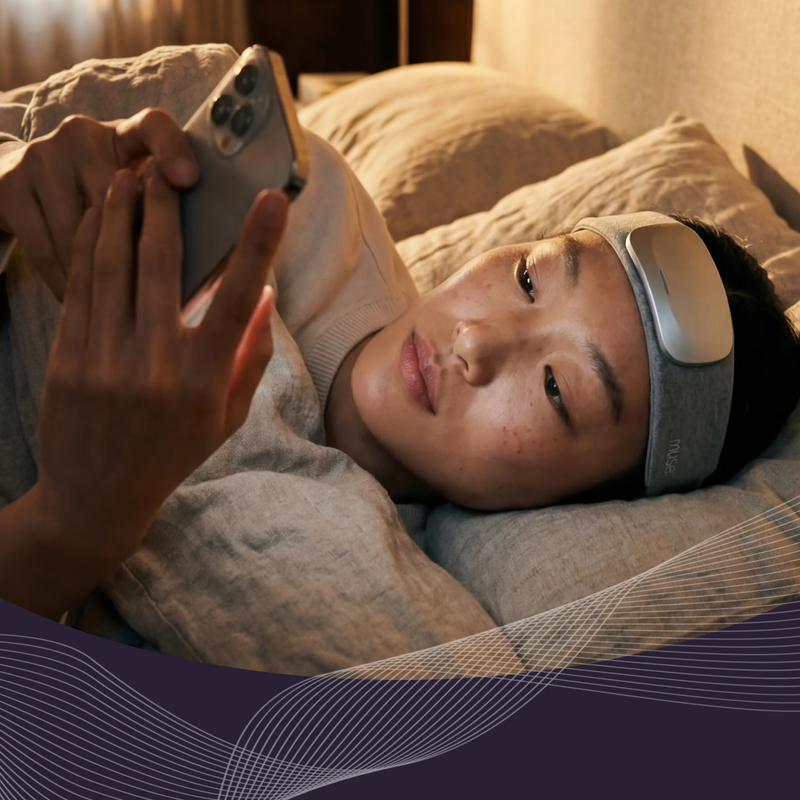
Begin tracking your sleep quality and patterns using at-home sleep trackers like the Muse S Athena headband, which can help you monitor indicators such as sleep quality, sleep position, and sleep disruptions over multiple nights.
<Read more: How Muse improves your Sleep>
-
Keep a symptom journal / sleep diary noting any episodes of snoring, choking, gasping, frequent awakenings, morning headaches, daytime sleepiness, or changes in concentration and mood.
-
Share these observations with your healthcare provider.
If you experience frequent symptoms, bring along your journal and sleep data, consult a sleep specialist for a formal assessment. Early detection and proper management can make a profound difference, allowing people to reclaim their energy, clarity, and overall well-being. It’s never too late to improve your sleep health. Start taking small steps today and pave the way for brighter days and restful nights ahead.
Medical disclaimer:
This content is provided for informational purposes only and is not intended as medical advice. If you suspect you have sleep apnea or experience related symptoms, please consult your doctor or a licensed sleep specialist. Use of Muse devices or any at-home monitoring tools should not replace professional medical evaluation or prescribed therapies. Always follow the guidance of your healthcare provider regarding diagnosis and treatment.