TL;DR: What are the best sleep trackers in 2026?
-
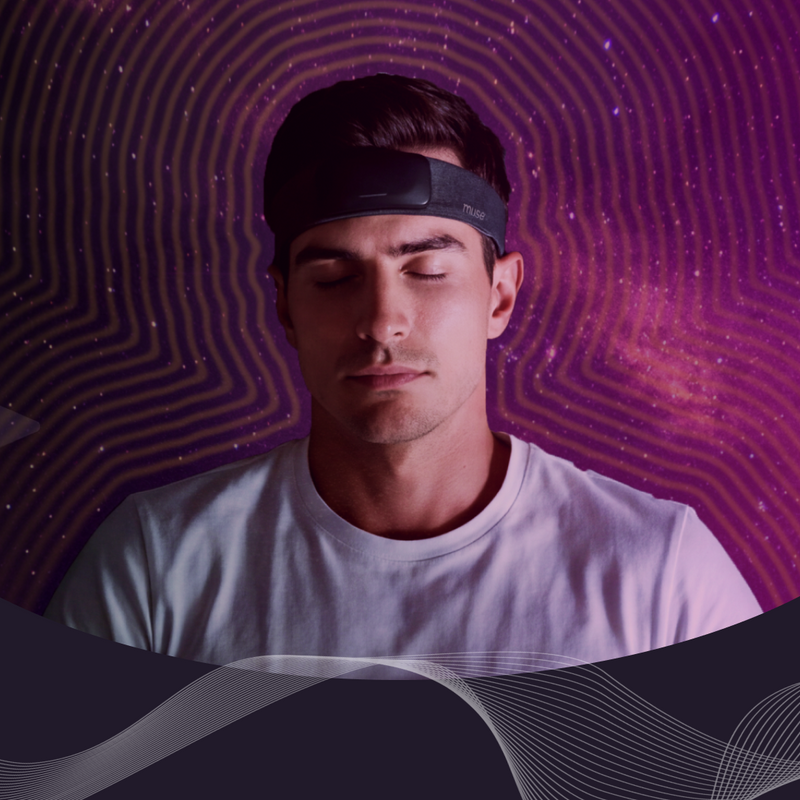
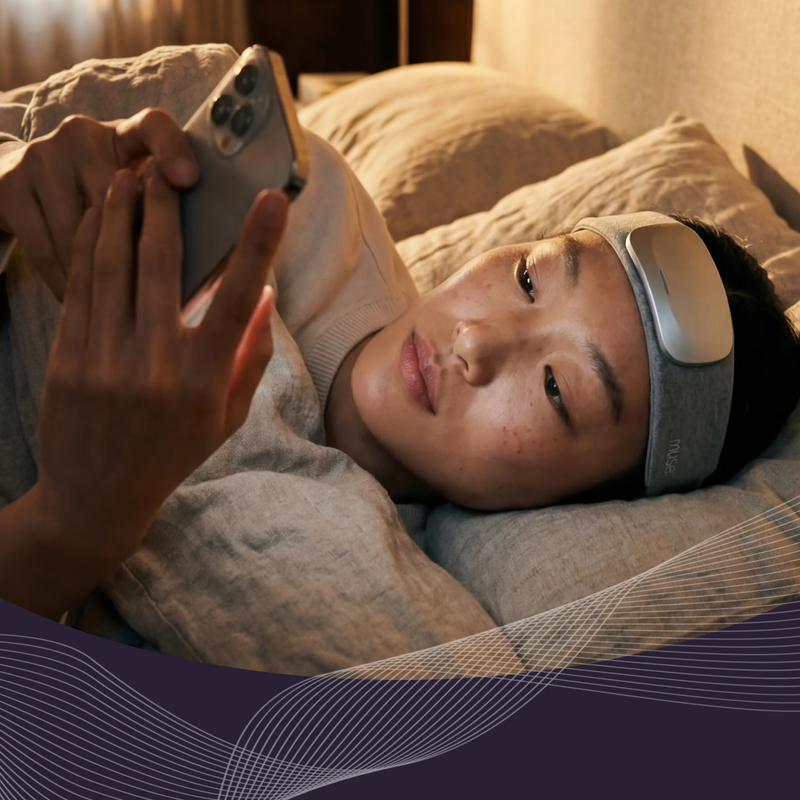
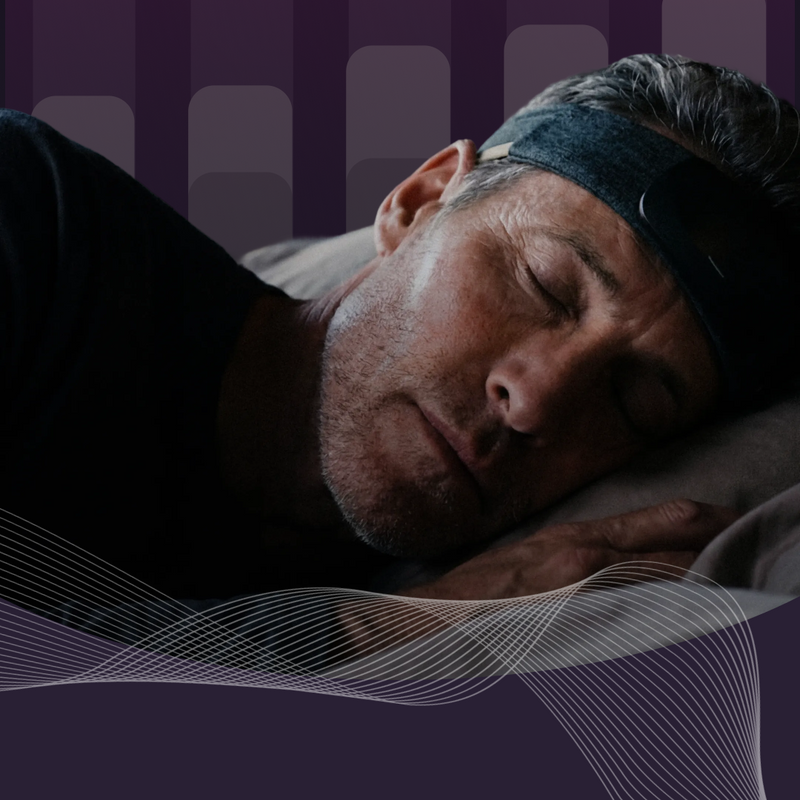
Best overall: Muse S Athena
-
Best comfort: Oura Ring 4
-
Best for athletes: WHOOP 5.0
-
Best for pre-sleep neurostimulation: Somnee
-
Best no-wear: Withings Sleep Mat
-
Best budget SpO₂: Sleepon Go2Sleep
Sleep technology in 2026 goes beyond tracking how you slept. The most advanced sleep wearables now respond to your brain in real time: supporting deeper sleep, smoother wake-ups, and more effective recovery within the same number of hours. From rings and wristbands to EEG headbands and smart masks, modern sleep devices vary widely in both how they measure sleep and how actively they support sleep improvement.
Our top pick for 2026 is the Muse S Athena, the only consumer sleep wearable combining EEG and fNIRS for 88-96% PSG-validated sleep stage accuracy with real-time sleep intervention, no subscription required. For passive tracking with exceptional comfort, the Oura Ring 4 is our runner-up. Below, we compare 7 devices by accuracy, sensor type, intervention capability, comfort, and total cost.
At-a-glance: top sleep devices compared
|
Device |
Device Type |
Active / Passive Tracking |
PSG alignment (if published) |
Core Sensors |
Real-Time Intervention |
Price Range |
Subscription |
|---|---|---|---|---|---|---|---|
|
Muse S Athena |
Headband |
Active |
EEG, fNIRS, PPG, accelerometer, gyroscope |
Yes (EEG & AI-timed audio cues) |
$$$ |
No (all sleep data and intervention features available) |
|
|
Oura Ring 4 |
Ring |
Passive |
PPG, temp, motion |
No |
$$$ |
Yes |
|
|
WHOOP 5.0 |
Wristband |
Passive |
PPG, motion |
No |
$$-$$$ |
Yes (membership model) |
|
|
Somnee Smart Sleep Headband 2 |
Headband |
Active |
N/A |
EEG |
No (Pre-sleep neurostimulation session) |
$$$ |
Yes |
|
Withings Sleep Mat |
Under-mattress mat |
Passive |
N/A |
Motion, HR, respiration |
No |
$$ |
No |
|
Sleepon Go2Sleep |
Ring |
Passive |
N/A |
SpO₂, HR |
No |
$ |
No |
Note: “Active” here refers to direct neural sensing (EEG/fNIRS). Real-time intervention is listed separately.

How do sleep trackers work? Active vs. passive tracking explained
Passive tracking
-
PPG: Uses light to estimate heart rate and HRV.
-
Accelerometer: Detects movement.
-
Temperature: Detects circadian patterns.
These signals can reveal useful patterns, but they infer sleep stages rather than measuring them directly. Passive trackers help users understand trends and adjust habits over time to improve sleep.
Active tracking
-
EEG (Electroencephalography): Measures brain electrical activity directly: the most accurate signal for sleep staging.
-
fNIRS (Functional near-infrared spectroscopy): Measures blood flow/oxygenation in the cortex
Learn how combining fNIRS and EEG tech improves tracking accuracy
More aligned with clinical sleep labs, active tracking measures brain activity itself. Because sleep stages are defined by brainwave patterns, EEG-based systems offer greater precision in detecting stage transitions.
Direct neural measurement also enables precise real-time responsiveness. When sleep is tracked at the brain level, interventions such as audio cues or smart wake timing can align with the exact brain state, rather than an estimate.
Q: What’s the difference between active and passive sleep tracking?
A: Passive tracking estimates sleep from body signals, while active sleep tracking uses EEG technology to measure sleep at the source (your brain) with greater precision.
Q: What makes a sleep tracker accurate?
A: Accuracy depends primarily on sensor type. EEG-based wearables most closely match clinical sleep staging. Accuracy can be further measured against Polysomnography (PSG), the gold standard for sleep tracking.
EEG sleep tracker vs smart ring: which is better?
This is one of the most common questions in sleep tech. The answer depends on your priorities:
|
Factor |
EEG Headband |
Smart Ring |
|
Sleep stage accuracy |
High (direct brain measurement) |
Moderate (estimated from HR/motion) |
|
Real-time intervention capability |
Yes (some devices) |
No |
|
Comfort |
Varies by user; adjustment period |
Highly comfortable; discreet |
|
Battery life |
Typically requires daily charging for overnight use |
Multi-day battery |
|
Best for |
Accuracy-focused users, active sleep improvement |
Trend tracking, everyday wear, recovery insights |
Bottom line: If your primary goal is accurate sleep staging and active sleep improvement, an EEG headband is the stronger choice. If you prioritize comfort, discretion, and long-term trend monitoring, a smart ring is likely sufficient.
How do I choose the right sleep tracker for me?
A realistic step-by-step guide
Step 1: Decide if you want insight or intervention
Are you looking for the most accurate sleep stage data possible? Are you looking for ways to actively improve your sleep quality? Or are you mainly interested in general trends and recovery tracking?
If your priority is effective sleep intervention, or proven accuracy and detailed sleep-stage insight, EEG-based devices that measure brain activity directly are your best choices. If you want high-level trend monitoring with minimal effort, passive trackers like rings and wristbands may be sufficient.
Step 2: Weight, comfort and nightly wearability
Accuracy means little if you don’t wear the device consistently.
-
Headbands: Higher staging precision and potential real-time sleep support, but comfort varies by user.
-
Rings and wristbands: Discreet, comfortable, and easy for long-term wear.
-
Under-mattress mats: Zero wear required, but limited to indirect measurement.
Step 3: Assess battery life and app experience
Some devices require daily charging; others last several days or even a week. Also consider:
-
Does the app provide personalized recommendations?
-
Is the data easy to interpret?
-
Does it offer actionable insights or just scores?
High-quality platforms translate data into meaningful behavior changes.
Step 4: Consider Total Cost (Device + Subscription)
Many devices require ongoing subscriptions for advanced analytics or personalized recommendations. Over time, subscription fees can significantly increase total ownership cost. Compare not just upfront pricing, but long-term investment.
Key features to consider:
-
Sensor type (EEG vs PPG)
-
Published validation data
-
Real-time sleep feedback
-
Personalized sleep recommendations
-
Comfort for nightly wear
-
Battery life
-
Total cost (device + subscription)
What is the gold standard for sleep tracking?
Polysomnography (PSG) remains the gold standard for diagnosing sleep disorders. Consumer devices are best used for behavioral insight and trend tracking, not medical diagnosis. High-end EEG wearables bridge lab-grade science and home convenience.
What sleep metrics should I track, and what do they mean?
Sleep devices generate a lot of numbers. But not all sleep metrics carry equal weight. Understanding what truly matters helps you move from simply tracking sleep to actually improving it.
Here are the key sleep metrics worth paying attention to:
Sleep Stages: REM, Deep, and Light Sleep
Sleep unfolds in cycles:
-
Deep sleep (slow-wave sleep): Critical for physical recovery, immune repair, and growth hormone release. It also supports memory consolidation and brain “clean-up” processes.
-
REM sleep: Associated with emotional processing, creativity, and learning integration.
-
Light sleep: Transitional and foundational, helping prepare the brain for deeper stages.
Devices that measure brain activity using EEG, such as Muse S Athena and Somnee Smart Sleep Headband 2, detect these stages directly from brainwave patterns, similar to how sleep labs use polysomnography (PSG).
In contrast, wristbands and rings using PPG and accelerometers estimate sleep stages indirectly through heart rate, motion, and breathing patterns. These proxy signals can provide useful trends but are less precise for stage detection than EEG-based systems.
Q: Why does sleep stage accuracy matter?
A: Sleep stage accuracy matters because each stage of sleep serves a different purpose. If sleep stages are measured inaccurately, you may misunderstand how restorative your sleep actually was and make changes based on incomplete information.
Q: Is sleep stage accuracy important for everyone?
A: Not necessarily. For many users, long-term trends such as total sleep time and consistency are more important than perfect stage classification. However, if your goal is to improve deep sleep, understand REM patterns, or optimize wake timing, higher staging precision becomes more relevant.
Total sleep time (TST): The total hours you were asleep. Consistently short sleep impairs memory, mood, and immune function.
Sleep efficiency: The percentage of time in bed actually spent asleep. Above 85-90% indicates consolidated, restorative sleep.
Sleep Latency: How long it takes to fall asleep. Healthy latency is typically 10-20 minutes. Very short latency may signal sleep deprivation.
HRV (Heart Rate Variability): A measure of autonomic nervous system balance. Higher HRV during sleep generally signals stronger recovery capacity.
Blood Oxygen (SpO₂): Oxygen saturation levels during sleep. Consistently low readings may indicate breathing disturbances warranting medical follow-up.
Which sleep metrics does each device track?
|
Metric |
Muse S Athena |
Oura Ring 4 |
WHOOP 5.0 |
Somnee Smart Sleep |
Withings Sleep Mat |
Sleepon Go2Sleep |
|
Sleep Score |
✔️ |
✔️ |
✔️ |
✔️ |
✔️ |
✔️ |
|
Sleep Stages |
✔️ (EEG) |
✔️ (estimated based on HRV and movement) |
✔️ (estimated based on HRV and movement) |
✔️ (EEG) |
✔️ (estimated based on HRV and movement) |
✔️ (limited estimate based on HRV) |
|
Time Asleep / Total Sleep Time |
✔️ |
✔️ |
✔️ |
✔️ |
✔️ |
✔️ |
|
Sleep Latency (Time to Sleep) |
✔️ |
✔️ |
✔️ |
✔️ |
✔️ |
✔️ |
|
Sleep Efficiency |
✔️ |
✔️ |
✔️ |
✔️ |
✔️ |
✔️ |
|
Awake / Wake Events |
✔️ |
✔️ |
✔️ |
✔️ |
✔️ |
✔️ |
|
Stillness / Movement % |
✔️ |
❌ |
✔️ |
✔️ |
✔️ |
✔️ |
|
Below Usual Heart Rate % |
✔️ |
✔️ |
✔️ |
✔️ |
✔️ |
✔️ |
|
Sleep Position Tracking |
✔️ |
❌ |
❌ |
❌ |
❌ |
❌ |
|
Sleep Interruptions / Maintenance |
✔️ |
✔️ |
✔️ |
✔️ |
✔️ |
✔️ |
Which sleep trackers actively improve your sleep?
|
Device |
Sleep Intervention Provided |
Intervention Type |
|
Muse S Athena |
Yes |
EEG and AI-timed audio cues:
|
|
Oura Ring 4 |
No |
N/A (post-sleep insights only; no in-sleep feedback) |
|
WHOOP 5.0 |
No |
N/A (recovery and readiness guidance, no sleep intervention) |
|
Somnee Smart Sleep Headband 2 |
Yes (pre-sleep) |
Personalized neurostimulation before sleep (tES cues to aid sleep onset) |
|
Withings Sleep Mat |
No |
N/A (passive tracking, no active sleep support) |
|
Sleepon Go2Sleep |
No |
N/A (physiological monitoring only; no sleep support intervention) |

#1 Muse S Athena
Muse S Athena: EEG + fNIRS headband with PSG-validated accuracy, real-time sleep intervention, and no mandatory subscription.
How it tracks: Muse S Athena is the first and only consumer sleep wearable to combine EEG and fNIRS technology for more advanced brain-based sleep tracking. Backed by the world’s largest brain dataset, with over 1 billion minutes of brain data informing the algorithm. Athena’s system is trained to accurately detect sleep stages and brain states in real time. A published validation study reflects Athena has 88% - 96% accuracy against PSG across all sleep stages.
Beyond tracking, Athena offers real-time sleep support features: Digital Sleeping Pills (DSPs), with no extra cost:
-
Sleep Assist: Smart fade technology gently fades the audio out as you fall asleep, and fades the audio back in when you wake up, to help lull you back to sleep after awakenings.
-
Deep Sleep Boost (new): Supports continuous slow-wave sleep by playing EEG and AI-cued pink noise
-
Smart Wakeup (coming soon): Wakes you when your brain is most ready, reducing grogginess and improves daytime clarity.
Athena users report falling asleep 55% faster and experiencing 76% more organized slow-wave activity. Learn more about Muse Sleep.
What it helps with: Muse S Athena is built for users who want to go beyond tracking: to actively improve sleep, not just observe it. Its headband form factor requires slightly more intention to wear each night, but for users who put it on consistently, it delivers something no ring or wristband can: a direct, real-time window into brain activity, and a system that responds to it.
Tradeoffs: A headband is more to put on than a ring, and for some users, especially those who move a lot in their sleep or find forehead contact uncomfortable. What you get in exchange is a level of accuracy and active sleep support that no wrist or finger device on this list can match.
If accuracy and active sleep improvement are your priorities, Muse S Athena is the strongest option on this list. It won't just tell you how you slept. It will work to make the sleep itself better while it's happening.
Why we ranked it #1: Muse S Athena reads your brain directly during sleep, with 88 to 96% agreement with polysomnography (Lanthier 2025), and pairs it with real-time sleep intervention, without requiring a mandatory subscription. It delivers both precision and active sleep support in one system.
Best for: Users who prioritize proven accuracy, brain-based sleep tracking, and active sleep improvement.
Not ideal for: Those who strongly prefer ultra-discreet wearables or multi-day battery life without daily charging.
#2 Oura Ring 4
Oura Ring 4: Passive ring tracker using PPG and temperature for comfortable, multi-day sleep trend and recovery monitoring.
Oura estimates sleep stages using heart rate, HRV, skin temperature, and motion data. It provides Sleep Score, sleep stages, and nighttime movement metrics, with deeper insights available through subscription. While it does not measure brain activity directly, it excels in long-term trend tracking and recovery analytics in a highly wearable ring format.
How it tracks: The PPG sensors on the inner ring surface detect blood volume changes to infer heart rate and HRV. Temperature sensors track circadian shifts. Motion data fills in the gaps. Sleep stages are estimated from the combined signal: not measured directly from brain activity. This places Oura in the same accuracy tier as other PPG-based wearables, around 75% alignment with PSG.
Tradeoffs: Oura doesn't offer real-time feedback. There's no in-sleep intervention, no audio cue, no active response to your brain state. Advanced analytics (including personalized recommendations and full trend history) also require a subscription ($5.99/month), which adds to the long-term cost.
What it helps with: Oura is built for users who want consistent, low-friction sleep and recovery data over time. Its ring form factor makes nightly compliance easy. For long-term behavioral pattern recognition, it delivers reliable signals with minimal effort.
If comfort and daily wearability are your top priorities, Oura is the strongest passive option. It won't tell your brain what to do. But it will tell you, clearly and consistently, how well you recovered.
Why we ranked it #2: Oura delivers exceptional comfort and polished recovery insights, making it one of the strongest passive sleep trend trackers available.
Best for: Users who value comfort, multi-day battery life, and recovery-focused insights.
Not ideal for: Those seeking real-time sleep intervention or brain-based stage accuracy.
#3 WHOOP 5.0
WHOOP 5.0: Subscription-based wristband focused on recovery, strain, and readiness coaching for performance-driven users.
WHOOP tracks sleep using HRV and motion signals, presenting Sleep Performance Score, Hours vs. Needed, Sleep Consistency, Sleep Efficiency, and Sleep Stress through its membership model. It emphasizes behavioral coaching and recovery trends over clinical-grade sleep staging.
How it tracks: Like Oura, WHOOP relies on PPG and accelerometry rather than EEG. Sleep stages are inferred from HRV patterns and motion, not measured directly from brain activity. WHOOP's edge is in the density of its HRV sampling and its tight integration with daily strain metrics, contextualizing each night's sleep within a full picture of physical load and recovery.
Tradeoffs: Where WHOOP falls short for sleep-focused users is precision and cost structure. Sleep stage accuracy sits around 75%, in line with other PPG-based wearables. And unlike most devices here, there is no one-time purchase option: the membership ($239/year) is mandatory, and sleep data is not accessible without it. There is also no real-time sleep intervention of any kind.
What it helps with: WHOOP is built for users who want to understand how sleep interacts with physical performance. It answers questions like "Did I recover enough to train hard today?". If you're training consistently and want sleep framed within a broader recovery and readiness system, WHOOP's coaching layer adds value that passive ring trackers don't offer.
If sleep quality is your primary concern rather than athletic performance, a more sleep-focused device will serve you better.
Why we ranked it #3: WHOOP is built primarily for performance and recovery optimization, with sleep serving as one component of a broader recovery model.
Best for: Athletes and performance-driven users focused on strain, recovery, and readiness metrics.
Not ideal for: Users seeking detailed sleep-stage precision or real-time sleep support.
#4 Somnee Smart Sleep Headband 2
Somnee Smart Sleep Headband 2: EEG headband delivering AI-personalized neurostimulation before sleep to support faster sleep onset.
Somnee combines EEG sensors with AI-powered neurostimulation to model your brain’s sleep rhythms and deliver gentle stimulation before bed. It tracks sleep stages, sleep efficiency, sleep schedule, sleep onset, duration, and interruptions. While it uses brain-based measurement, independent peer-reviewed PSG validation data is not yet widely published. It also lacks real-time sleep intervention to actively support quality sleep.
How it tracks: Somnee Smart Sleep Headband 2 uses EEG sensors to model your individual brain's sleep rhythms, tracking sleep stages, sleep efficiency, sleep schedule adherence, sleep onset latency, total sleep duration, and nighttime interruptions.
What it helps with: Using the EEG data it collects over time, Somnee builds a personalized model of your sleep patterns and uses it to calibrate gentle transcranial electrical stimulation (tES) delivered before bed, timed to your brain's natural rhythms. The goal is to ease the transition into sleep by working with your brain's existing patterns rather than against them. The intervention happens pre-sleep only. Once you've fallen asleep, Somnee is tracking, not intervening.
Tradeoffs: Somnee offers no real-time in-sleep feedback or audio cues once sleep begins, which limits its usefulness for users whose challenge is staying asleep or improving sleep architecture during the night. No independent peer-reviewed PSG validation data has been widely published, so exact sleep stage accuracy cannot be confirmed against the clinical standard. A subscription is also required for full feature access.
Somnee is purpose-built for people who lie awake struggling to fall asleep. Rather than simply tracking the problem, it attempts to address it directly, using your own brainwave patterns to time a gentle neural nudge toward sleep. If sleep onset is your specific challenge, not sleep quality or stage accuracy once asleep, Somnee offers a targeted, brain-based intervention that no other device on this list provides. For users whose problem is staying asleep or improving sleep depth, a different device will be more useful.
Why we ranked it #4: Somnee stands out for its EEG-based personalized neurostimulation designed to improve sleep onset.
Best for: Users who struggle with falling asleep and want pre-sleep stimulation-based sleep support.
Not ideal for: Those looking for real-time sleep intervention and PSG-validated stage accuracy.
Validation note: No widely published peer-reviewed PSG validation data available as of 2026.
#5 Withings Sleep Tracking Mat
Withings Sleep Mat: Contact-free under-mattress mat tracking movement, heart rate, and respiration: no wearable required.
The Withings Sleep Mat sits under your mattress and tracks total sleep duration, sleep onset, estimated time in light, deep, and REM sleep, awakenings, respiratory rate, resting heart rate, HRV, and snoring detection, all without anything worn on the body. It is the only device on this list that requires nothing to be put on, charged overnight, or remembered before bed.
How it tracks: It achieves this through a pressure-sensitive sensor strip that detects micro-movements from heartbeats and breathing via ballistocardiography (BCG), as well as gross body movement. Sleep stages are inferred from the combination of these indirect physiological signals. No brain activity is measured, and no EEG is involved, which places staging precision below that of headband-based devices.
Tradeoffs: Because Withings relies entirely on movement and inferred physiology, its sleep stage estimates are less precise than EEG or even ring-based systems with dedicated temperature sensing. It offers no real-time sleep intervention, no active recovery coaching, and no personalized recommendations without the Health+ subscription. In shared beds, accuracy can also be affected since the mat cannot reliably distinguish between two people's signals.
What it helps with: Withings removes all friction from sleep tracking. For users who find wearables uncomfortable, forget to charge devices, or simply want baseline sleep data without changing their nightly routine, it provides consistent long-term trend data with zero compliance effort.
If wearing anything to bed is a dealbreaker, Withings is your best option. It won't match EEG-based devices for precision, but it will give you useful, consistent data with no effort whatsoever.
Why we ranked it #5: Withings offers simple, contact-free sleep tracking without requiring a wearable or subscription.
Best for: Users who prefer not to wear devices overnight and want basic sleep tracking.
Not ideal for: Those seeking high-precision sleep staging or real-time sleep support.
#6 Sleepon Go2Sleep
Sleepon Go2Sleep: Budget finger ring focused on overnight SpO₂ and heart rate monitoring with no subscription.
Sleepon Go2Sleep is a finger-worn device that tracks blood oxygen (SpO₂), heart rate, HRV, time asleep, and breathing-related metrics such as apneas and hypopneas. It centers on physiological reporting rather than clinical-grade sleep stage detection, with no subscription required.
How it tracks: A PPG sensor on the inner ring surface detects blood oxygen levels and heart rate continuously overnight. Motion data supplements these readings to produce estimated sleep stage information, though with limited precision compared to dedicated sleep trackers.
What it helps with: Its SpO₂ monitoring is its primary clinical differentiator, useful for flagging potential breathing disruptions that other devices may miss or deprioritize.
Tradeoffs: Sleepon doesn't offer brain activity measurement, real-time sleep intervention, detailed sleep architecture analysis, recovery scoring, or personalized recommendations. Its sleep stage estimates are rough approximations rather than validated outputs, and users looking for a full picture of their sleep health will quickly find its data too limited to act on meaningfully.
Sleepon is built for users who want affordable overnight physiological monitoring, particularly those with concerns about blood oxygen levels or potential breathing disturbances. If budget is the primary constraint, or overnight SpO₂ monitoring is your specific concern, Sleepon delivers real value at a fraction of the cost of other devices on this list. Users who want comprehensive sleep data, stage accuracy, or intervention features will outgrow it quickly.
Why we ranked it #7: Sleepon focuses primarily on physiological monitoring rather than detailed sleep staging or intervention.
Best for: Budget users focused on overnight oxygen and heart-rate monitoring.
Not ideal for: Users seeking comprehensive sleep architecture analysis or active sleep support.

Which sleep device should you buy in 2026? (Summary)
|
If you want… |
Choose… |
|
The most accurate sleep tracking + active sleep improvement |
|
|
Comfortable passive tracking with recovery insights |
Oura Ring 4 |
|
Sleep data integrated with fitness/strain recovery |
WHOOP 5.0 |
|
Help falling asleep faster (neurostimulation) |
Somnee Smart Sleep Headband 2 |
|
No-wear, contact-free tracking |
Withings Sleep Mat |
|
Budget overnight oxygen/heart rate monitoring |
Sleepon Go2Sleep |
FAQs
Q: Can consumer sleep devices replace a sleep study?
A: Polysomnography remains the gold standard for diagnosing sleep disorders in a clinical setting. However, some consumer devices, including Muse, are validated against PSG and are already used in peer-reviewed sleep research. These devices can provide brain-based sleep staging across many nights in real-world environments, making them valuable for longitudinal research, monitoring, and sleep improvement outside the lab.
Q: What is better? Muse S Athena or Oura Ring 4?
A: Muse S Athena offers higher sleep stage accuracy and real-time sleep support because it measures brain activity directly with EEG and fNIRS. It also offers real-time sleep intervention to actively improve sleep quality. This makes it better for users focused on improving sleep quality and understanding sleep architecture.
Oura Ring 4 excels in comfort, long battery life, and passive trend tracking, making it a strong choice for everyday sleep and recovery insights, but it does not measure brain activity directly or provide real-time sleep feedback.
Q: What is better? Muse S Athena or Somnee Smart Sleep Headband 2?
A: Muse S Athena excels for comprehensive sleep tracking and improvement, while Somnee is better for users primarily seeking stimulation-assisted sleep onset support.
Muse S Athena is generally a stronger choice because it uses EEG (and fNIRS) to measure brain activity (88%-96% accuracy) and provide real-time sleep support features during the night. While Somnee also tracks sleep directly with EEG (no proven accuracy data), it only offers EEG-based personalized neurostimulation to help with sleep onset pre-sleep.
Q: What is better? Oura Ring 4 or WHOOP 5.0?
A: Choose Oura for comfort and general wellness tracking; choose WHOOP if you want an integrated performance and recovery coaching system.
Oura Ring 4 is the better choice for most everyday users. It tracks sleep, recovery, and readiness in a discreet, comfortable ring with multi-day battery life, and presents that data in an easy-to-understand app. It doesn't require thinking about charging mid-week or wearing a wristband. It's well-suited to users who want reliable sleep and wellness trend data without a performance coaching layer.
WHOOP 5.0 is better suited to athletes and performance-focused users who want sleep framed within a broader system of strain, recovery, and training readiness. Its membership model ($239/year) is mandatory, but it adds structured coaching and behavioral guidance that Oura doesn't provide. If you're training consistently and want to know whether last night's sleep supports today's workout, WHOOP's model is purpose-built for that question.
Q: Do sleep trackers actually improve sleep?
A: Most sleep trackers improve sleep indirectly by showing trends and patterns, helping users adjust habits over time. Some advanced devices like Muse S Athena go further by offering real-time sleep support, such as EEG and AI-timed audio cues, that actively respond to your brain state.
Q: What is the most accurate sleep tracker?
A: Muse S Athena has 88%-96% accuracy against PSG the clinical gold standard for sleep tracking, while other devices sit at around 75%, or below, without proven accuracy data.
Q: Ring vs headband sleep tracker, which is better?
A: A headband sleep tracker (like Muse S Athena) is better for accuracy because it usually measures brain activity directly using EEG, the same signal used in clinical sleep labs to determine sleep stages. This makes headbands more precise for tracking sleep stages and, in some cases, enabling real-time sleep support.
A ring sleep tracker is better for comfort and convenience. Rings estimate sleep stages using heart rate and motion, making them ideal for long-term trend tracking, but less precise than EEG-based headbands.
Q: Which sleep trackers don't require a subscription?
A: Muse S Athena, Withings Sleep Mat, and Sleepon Go2Sleep provide full sleep data and features without a mandatory subscription. Oura Ring 4 and WHOOP 5.0 require subscriptions for advanced analytics.
Q: Can a sleep tracker detect sleep apnea?
A: Consumer sleep trackers are not medical diagnostic devices. However, devices that monitor SpO₂ (like Sleepon Go2Sleep) or breathing patterns (like Withings Sleep Mat) can flag potential breathing disturbances that may warrant follow-up with a sleep specialist.
Q: How much do sleep trackers cost in 2026?
A: Consumer sleep trackers range from under $100 (Sleepon Go2Sleep) to $300+ (Muse S Athena, Oura Ring 4). Total cost should include subscription fees: devices with mandatory memberships can add $100-$300+ per year to the total ownership cost.
Q: Why do different sleep trackers report different sleep stage results?
A: The main reason is direct vs. indirect measurement (active vs passive tracking). EEG-based devices like Muse measure brain activity directly (the same signal used in clinical sleep labs) allowing them to detect the specific brainwave patterns that define sleep stages, including slow waves, sleep spindles, and K-complexes. In validation studies against polysomnography (PSG), EEG-based systems show higher accuracy in distinguishing REM and Deep sleep compared to non-EEG wearables.
Wrist and ring trackers, by contrast, estimate sleep stages indirectly using movement (actigraphy) and heart rate patterns (PPG). Because they don’t measure brainwaves, they may label “Deep Sleep” based on physical stillness or heart-rate changes even if the brain’s EEG activity does not meet formal slow-wave (N3) criteria. As a result, stage percentages can differ between devices. It’s also important to note that even if a device shows low or zero “Deep Sleep,” meaningful slow-wave activity may still occur, especially when looking at EEG-based intensity metrics rather than just stage labels.