TL:DR
-
Orthosomnia is anxiety and sleep disturbance caused by obsessing over sleep tracker data
-
Passive trackers hand you a score with no guidance, and that gap between data and action is where anxiety moves in
-
The fix isn't to stop tracking but to choose the right device that acts on what it finds instead of just reporting it
-
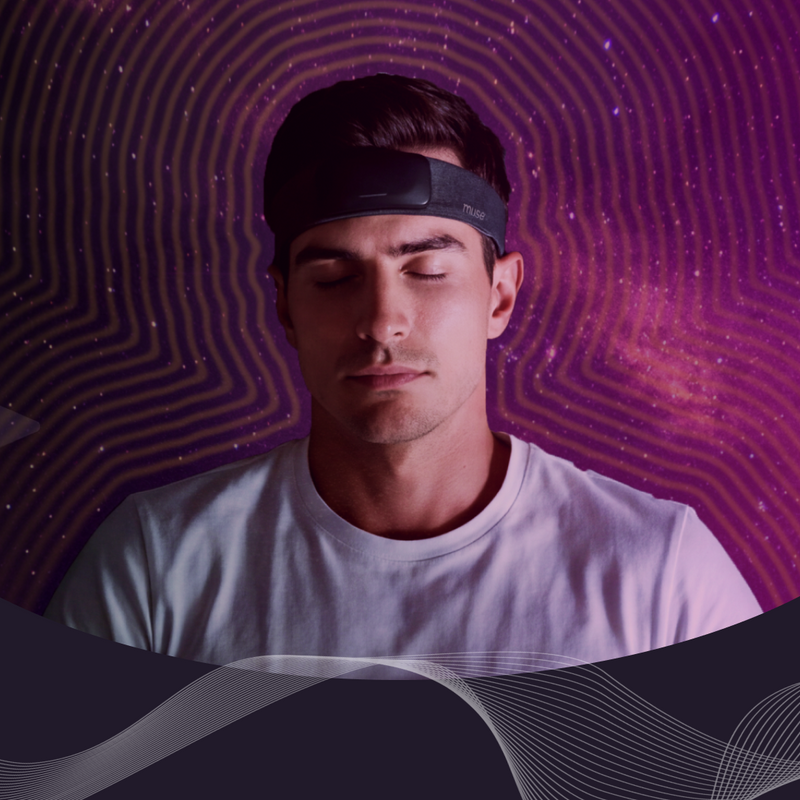
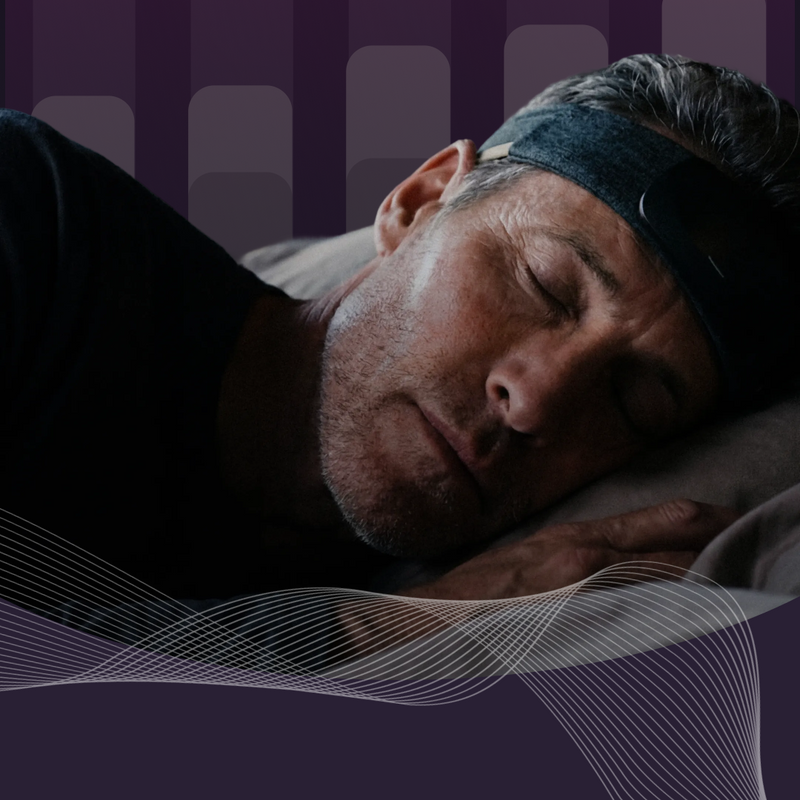
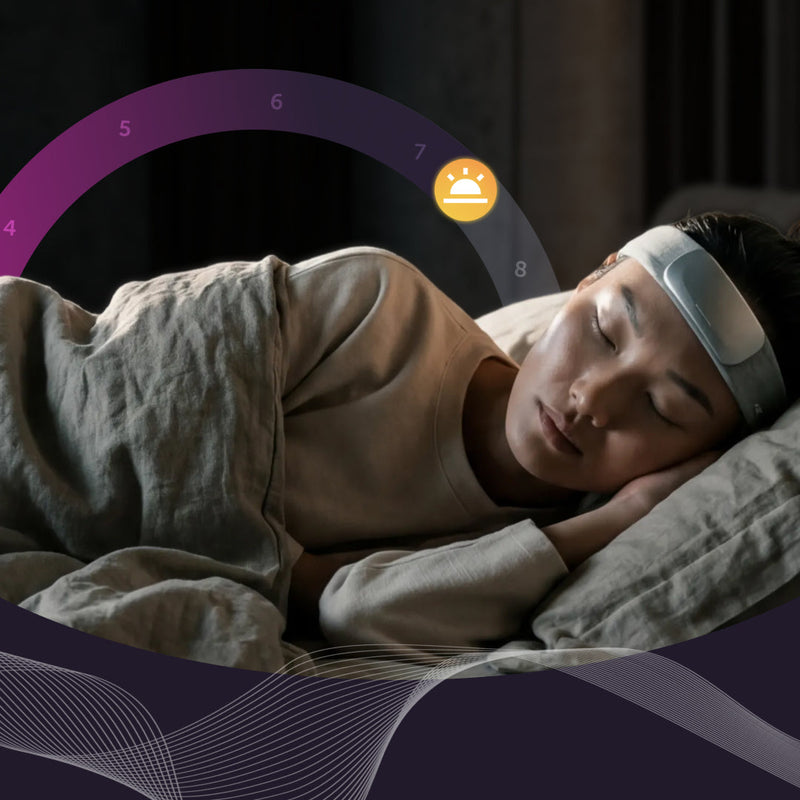
Muse S Athena actively intervenes overnight through Deep Sleep Boost, Sleep Assist, and Smart Wakeup, so the work is already done by the time you see your score
-
Enso, Muse's AI coach, helps interpret your data in plain language for anyone who still finds themselves worrying about the numbers
Sleep trackers promise better sleep. But for a growing number of people, obsessing over nightly scores is doing the opposite: creating a cycle of anxiety that makes sleep worse. It's called orthosomnia, and it's more common than you'd think.
Here's what it is, why it happens, and how to avoid it.
What is orthosomnia?
Orthosomnia is a term coined by researchers at Rush University Medical Center and Northwestern University in 2017 to describe sleep disturbances caused by an obsessive pursuit of perfect sleep data. The name comes from the Greek "ortho" meaning correct, and "somnia" meaning sleep.
Unlike insomnia, which is driven by stress or health conditions, orthosomnia is caused by the tools designed to help you sleep. The tracker becomes the problem.
Why do people fall into orthosomnia?
Sleep trackers work by giving you a number. The problem is that a number without context is an invitation to worry.
When your tracker tells you that you got less deep sleep than usual, or that your sleep score dropped overnight, most devices leave you to figure out what that means and what to do about it. That gap between data and action, is where anxiety moves in.
The mechanism is straightforward. Worry about sleep triggers cortisol, your body's primary stress hormone. Cortisol raises alertness and delays sleep onset, the exact opposite of what you need.
The more you monitor, the more you worry. The more you worry, the worse you sleep. The worse you sleep, the more alarming the data looks the next morning.
People most likely to fall into this pattern tend to be high achievers, perfectionists, and anyone already prone to health monitoring. If you're the kind of person who optimises everything else in your life, it's natural to try to optimise your sleep too. The tracker just gives that tendency a very specific, very measurable target to fixate on.

What does orthosomnia actually look like day to day?
Orthosomnia doesn't always look like a full-blown anxiety disorder. For most people it creeps in quietly, through small habits that start to feel normal.
You might recognise it if you:
-
Check your sleep score before you've even got out of bed
-
Feel anxious going to sleep because last night's score was low
-
Adjust your entire next day based on what the tracker says rather than how you actually feel
-
Spend time in bed trying to rack up more hours to hit a target, even when you're not tired
-
Feel frustrated or defeated after a single bad night, regardless of how you performed during the day
The original 2017 research found that for some patients, sleep tracker data was creating anxiety even when clinical evidence showed their sleep was perfectly normal. This is a sign of how powerfully a number on a screen can override how we actually feel.
The milder version: quietly dreading bedtime because of the number you might wake up to, is far more common and far less often recognised for what it is.
Can sleep trackers cause insomnia? Too much data and too little guidance is the real problem
Sleep trackers are not inherently bad. The data they collect is real, and for most people, the broad patterns they surface: you sleep better on nights you exercise, your sleep degrades when you drink, you consistently wake at the same time, are genuinely useful.
The problem is the gap between data and action.
Most sleep trackers are passive. They record what happened overnight and hand you a number in the morning. What you do with that number is entirely up to you. And when the number is bad, that gap between knowing something is wrong and knowing what to do about it is exactly where anxiety moves in and takes up residence.
Passive trackers hand you a number and leave you to figure out the rest. That's not a you problem, it's a design problem. When there's no guidance on what to do with a bad score, worry fills the gap. And worry, as we've covered, is one of the most reliable ways to make your next night worse.
Obsessing over whether your data is accurate or what it means is part of what feeds the cycle. The more useful question is whether your device actually does anything about what it finds.
What should a reasonable person actually focus on when tracking their sleep?
If you use a sleep tracker, here's a simple reframe: you are looking for trends, not verdicts.
A single bad night tells you almost nothing useful. Sleep is naturally variable. It shifts with stress, travel, hormones, illness, and dozens of other factors that no tracker can fully account for. One low score is not a problem. A consistent pattern over weeks is worth paying attention to.
Here's what's actually worth monitoring:
|
Metric |
What it means |
When to pay attention |
|
Sleep score |
A composite number summarising your night |
As a trend over weeks, not nightly |
|
Sleep duration |
Total time asleep |
When consistently falling short of your personal baseline |
|
Deep sleep (slow-wave) |
Physical restoration, memory consolidation |
When low across several weeks, not a single night |
|
REM sleep |
Emotional processing, cognitive recovery |
When low across several weeks, not a single night |
|
Sleep onset time |
How long it took to fall asleep |
When consistently over 30 minutes |
|
Wake episodes |
How often you woke during the night |
When frequent and prolonged across multiple nights |
|
Heart rate / HRV |
Stress and recovery indicators |
As supporting context alongside other metrics |
|
Sleep stages breakdown |
Light, deep, REM distribution |
When spotting consistent patterns over time |
If you find yourself checking most of these every morning and adjusting your day accordingly, that's a signal worth paying attention to.

Does your sleep tracker actually do anything about what it finds? Muse does.
Most sleep trackers are passive by design. They record what happened overnight and hand you a report in the morning. What you do with that report is your problem.
Muse works differently. While you sleep, three features are actively responding to your brain state in real time instead of waiting until the next morning to tell you something went wrong.
|
When it works |
Muse Feature |
What it does |
|
Falling asleep |
Plays responsive soundscapes that adapt to your brain activity in real time, gently guiding your nervous system toward sleep at the moment it's most ready. |
|
|
During sleep |
Delivers phase-timed audio stimulation to deepen restorative sleep |
|
|
Waking up |
Reads your brain state to wake you up at the lightest point in your sleep cycle, within a wake window |
None of this requires you to interpret data, adjust your behaviour, or do anything differently the next day. The intervention is already happening. With Muse, your score in the morning is feedback on a process that was already underway.
That's the structural difference between a tracker and an active sleep system. And it's why Muse is built differently from the devices that cause orthosomnia.
Muse S Athena vs other sleep devices
Why Muse is less likely to cause orthosomnia than most sleep trackers
Orthosomnia tends to develop when there is nothing between you and a bad score except your own anxiety. Passive trackers can unintentionally create that dynamic because the data is the product, and what you do with it is left entirely up to you.
With Muse already working through the night before you see your score, the morning number tends to carry less weight. When the response to your sleep data is already built into the night itself, there is less of a gap for worry to fill.
That shift from data as a problem, to data as a readout of something already being handled, is what makes the experience feel different for many Muse users.
Still worried about your sleep data? That's what Enso is for
Even with Muse actively working through the night, some people still find themselves anxious about what the numbers mean. That's where Enso comes in.
Enso is Muse's AI brain training coach. Instead of leaving you to interpret your data alone, Enso reads your sleep patterns over time and tells you what they actually mean for you, in plain language, personalized to your baseline, without the spiral.
If your deep sleep was lower than usual last night, Enso can tell you why that's likely not a problem, what contributed to it, and what if anything is worth adjusting. If your sleep has been consistently strong, Enso surfaces that too, because knowing your sleep is working is just as important as knowing when it needs attention.
The goal is to replace the anxiety loop with a conversation. Enso is built to give you the exact clear picture of what's happening and the reassurance that comes from actually understanding it.
Better sleep starts with a device that acts on it
More data was supposed to mean better sleep. For a lot of people, it has meant more to worry about. With that said, that doesn't mean you should give up on tracking entirely, but to choose a device that tracks and does something with what it finds. With Muse, your data is already being put to use overnight. By the time you wake up and check your score, the work is already done, so there's nothing left to worry about.
Here’s to a good night's sleep!
Curious how Muse compares to other sleep trackers?
See the full comparison →
Ready to let your sleep take care of itself?
Shop Muse S Athena →
FAQs
Q: What is orthosomnia?
A: Orthosomnia is anxiety and sleep disturbance caused by an obsessive focus on sleep tracker data, rather than how you actually feel. It was named in a 2017 study from Rush University Medical Center and Northwestern University.
Q:Can sleep trackers cause insomnia?
A: Yes, indirectly. Passive trackers hand you a score with no guidance on what to do about it. That gap between data and action creates anxiety, and anxiety is one of the most reliable ways to disrupt sleep.
Q: How do I know if I have orthosomnia?
A: Common signs include checking your sleep score before getting out of bed, feeling anxious about an upcoming night's sleep, adjusting your day based on data rather than how you feel, and feeling defeated after a single low score.
Q: What sleep metrics actually matter?
A: Trends over weeks matter more than any single night. Deep sleep, REM, and sleep duration are worth watching as patterns over time, not obsessing over nightly.
Q: Does Muse cause orthosomnia?
A: Muse S Athena is built to actively intervene in your sleep through Deep Sleep Boost, Sleep Assist, and Smart Wakeup, rather than just reporting on it after the fact. Because the work happens overnight before you see your score, there is less of a gap left for anxiety to fill.
Q: What is the difference between a sleep tracker and a sleep improvement device?
A: A sleep tracker measures and reports on your sleep. A sleep improvement device, like Muse S Athena, actively responds to your brain activity in real time to influence your sleep as it happens.