
Your brain has an age
Now you can see it
Your brain has an age.
Now you can see it.
A weekly measure of how old your brain appears against your actual age, read directly from EEG. Built on published research, running on Muse's own model, with its error range stated on this page.


"Brains do not age on a schedule. Two people at fifty can have brains that look years apart, and neither of them would know it."
Nadia Kumentas,
Chief Product &
Marketing Officer of Muse


How Muse users' brain age compares to their actual age
Half of Muse users land between about 2 years younger and 3 years older than their actual age.
Source: Muse Brain Age weekly readings, 226 users, 2026
Over 1 billion minutes of decoded brain data
One of the largest at-home EEG datasets in the world
200+ independent studies
Clinical-grade EEG, in a headband
Measuring brains since 2014
Clinical-grade EEG, in a headband
±7 years, published
Stated on this page, not buried in a footnote

99%
of adults say brain health matters at least as much as physical health
9%
say they know a lot
about how to look after it

Brain Age

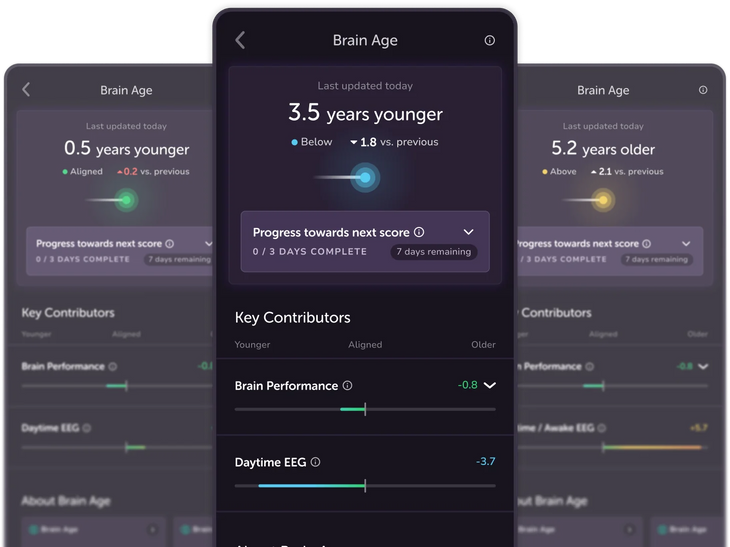
What you see
A difference in years, never an absolute age. 3.5 years younger. 5.2 years older.
With the change since your last reading, so you can see which way you're heading.
Your first Muse Brain Age
reading is on us
A brain age from one session can swing by several years, depending on how rested or stressed you are. A week of sessions is far steadier. Your first Brain Age takes at least 10 minutes of sessions on 7 different days, plus 4 short cognitive tests. Eyes-closed Mind, Heart, Body, Breath and Guided sessions count.
After that, sessions on 3 days a week keep it current, and new readings arrive Monday mornings. In a week without enough sessions, no new reading is released.
Brain Recharge
Alpha Peak Frequency
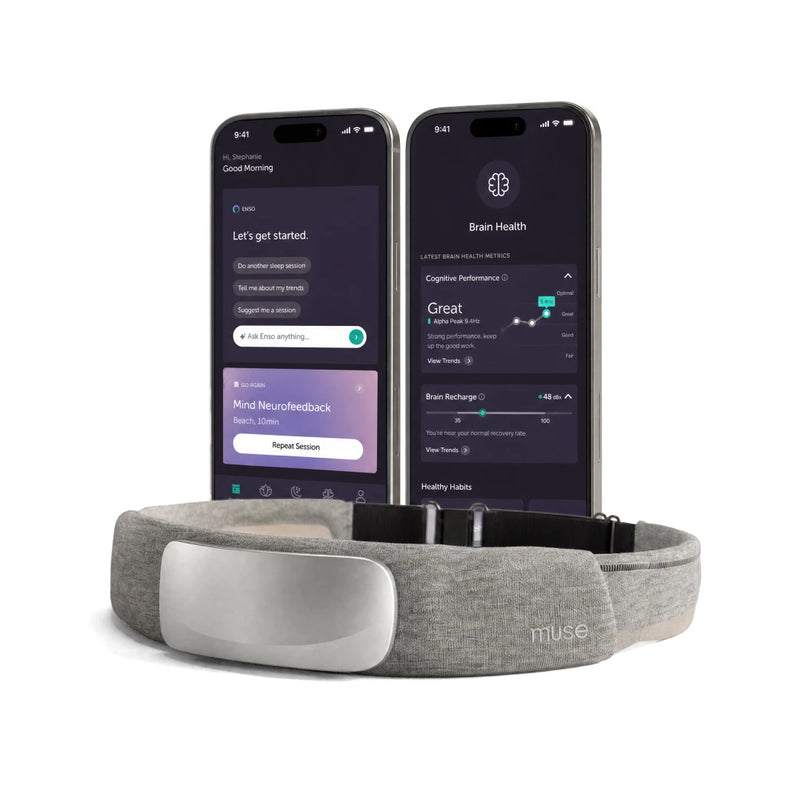
Muse S Athena
+ 1 year of premium
Everything in the free version +
- Smart Wakeup: wakes you at the lightest point in your cycle
- Alpha Peak: track your personal focus frequency over time
- Brain Recharge Score: see how well you bounce back from cognitive load
- 500+ guided sessions for anxiety, overwhelm, and recovery
- Enso AI Coach: daily check-ins that adapt to your patterns
- External Audio: use muse with your favorite apps & content
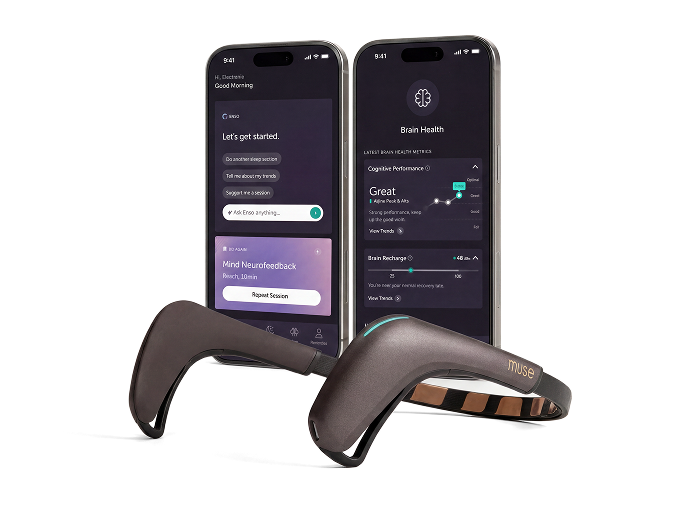
Muse 2
+ 1 year of premium
Everything in the free version +
- Smart Wakeup: wakes you at the lightest point in your cycle
- Alpha Peak: track your personal focus frequency over time
- Brain Recharge Score: see how well you bounce back from cognitive load
- 500+ guided sessions for anxiety, overwhelm, and recovery
- Enso AI Coach: daily check-ins that adapt to your patterns
- External Audio: use muse with your favorite apps & content
Frequently asked questions FAQ
Which sessions count?
Why don't I have a Muse Brain Age yet?
Why does my Brain Age change week to week?
My brain reads older than I am. Should I worry?
Can I lower my Brain Age?
Is this a brain-training game?
Is Muse Brain Age a medical or diagnostic test?
Is Muse Brain Age backed by science?
Does Brain Age work with my Muse?
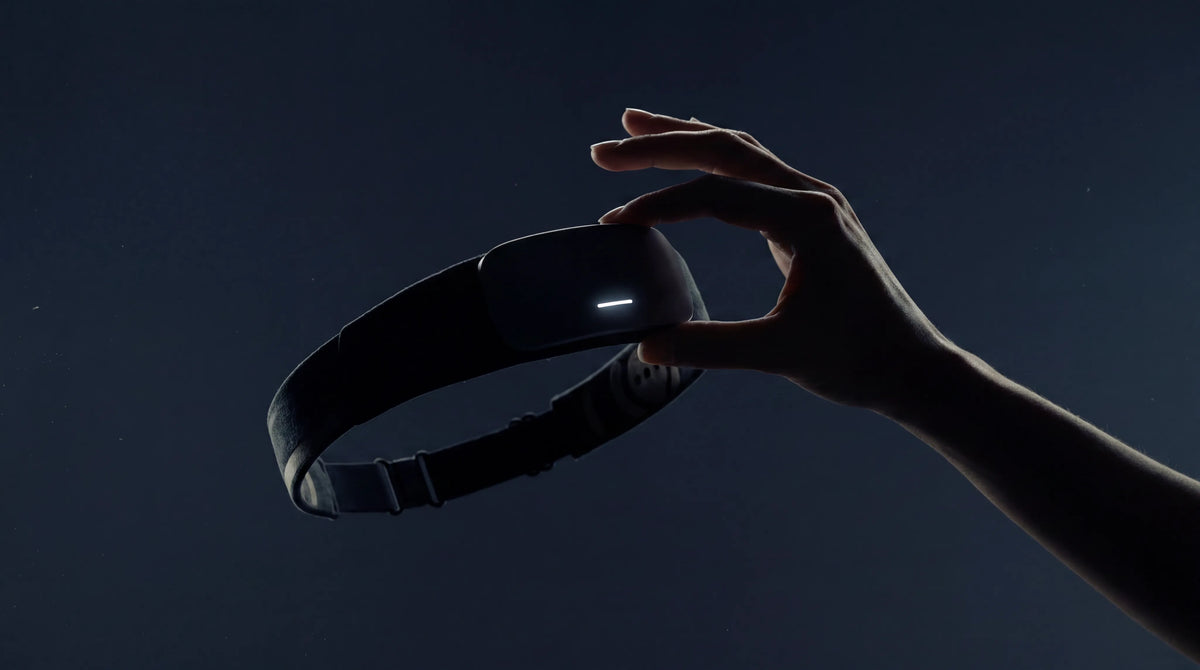

Your first Brain Age is free
Your first Brain
Age is free
Ten minutes a day for a week, on any Muse.
